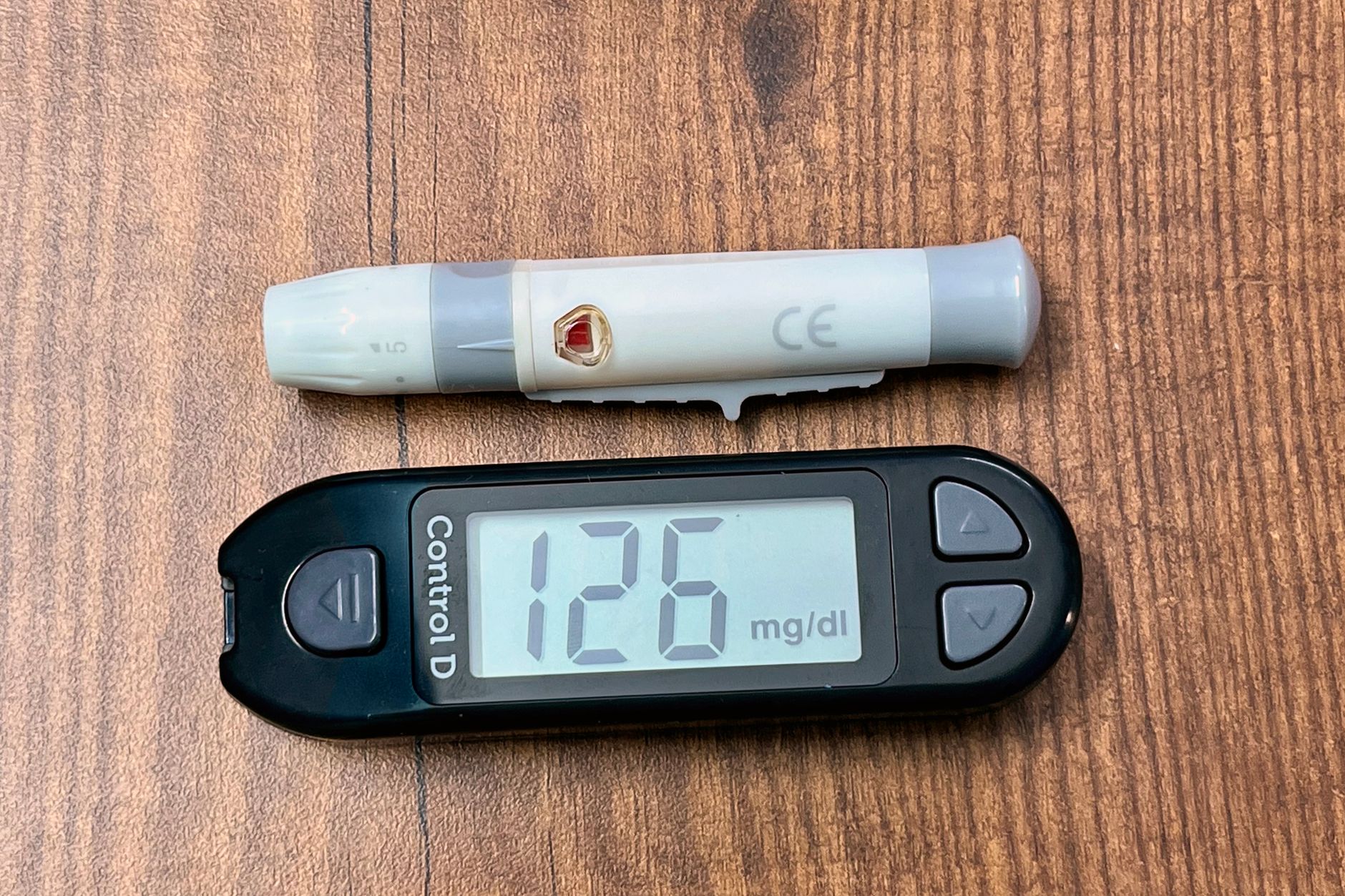
Blood Sugar 200 mg/dL: Is It Dangerous? A Doctor’s Guide to Spikes, Risks & When to Act in 2026
A single reading of 200 mg/dL after a meal is not always an emergency, but it signals that your glucose regulation needs...
A single reading of 200 mg/dL after a meal is not always an emergency, but it signals that your glucose regulation needs...
Learn exactly how clinicians define high blood sugar, which fasting and postprandial numbers signal danger, the differen...
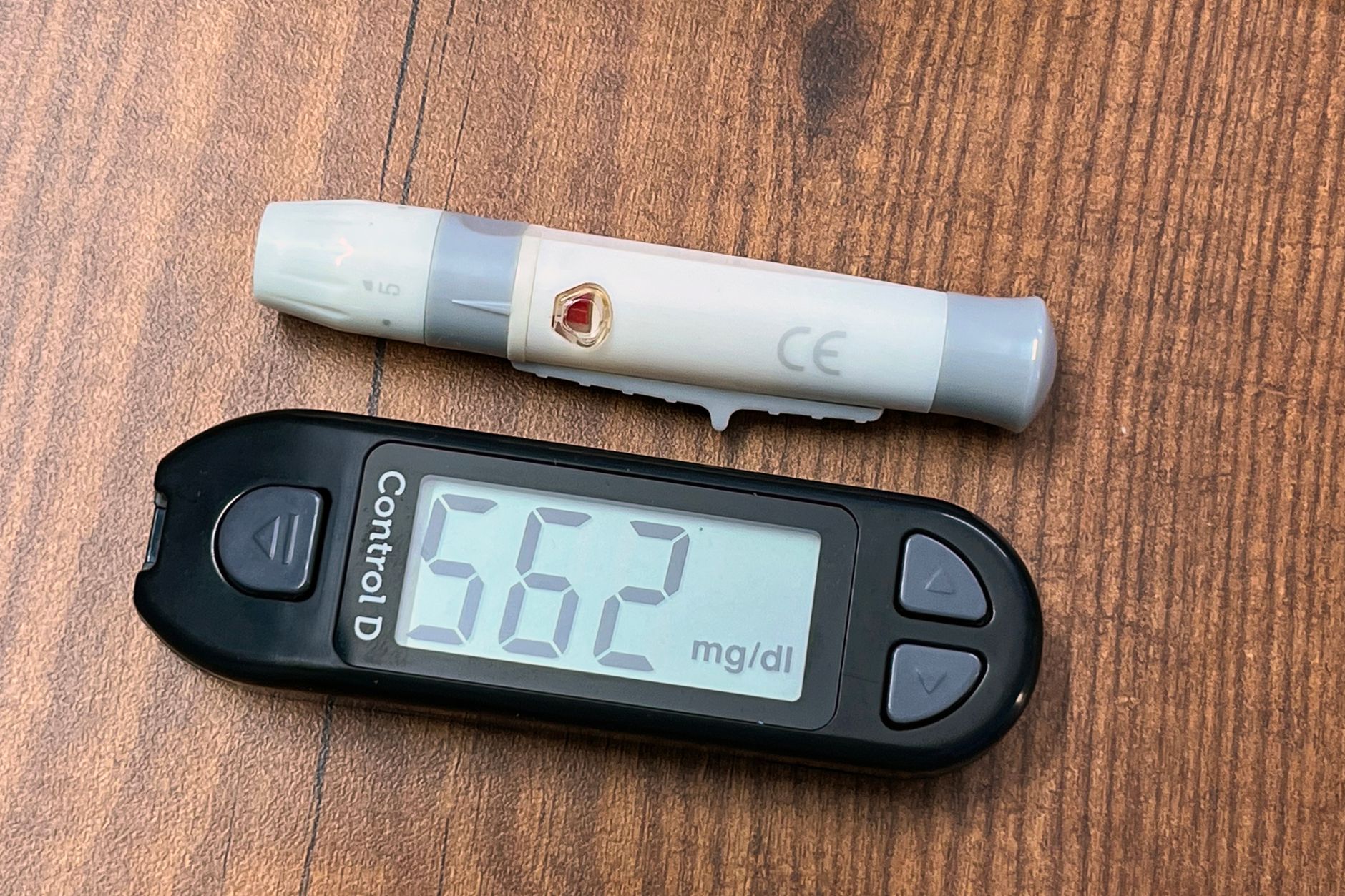
Why persistently elevated glucose alters neurotransmitter balance, fuels irritability and anxiety, and what the latest e...

Clinically, high blood sugar can both cause rapid weight loss (in uncontrolled diabetes) and make intentional weight los...
Persistent dizziness can be an early warning of dangerously elevated blood glucose. Learn the mechanisms, when it signal...
Persistent itching may be more than dry skin — it can signal elevated glucose levels. This guide explains the mechanisms...

From acanthosis nigricans to diabetic dermopathy, chronic hyperglycemia produces distinct cutaneous signs. This evidence...
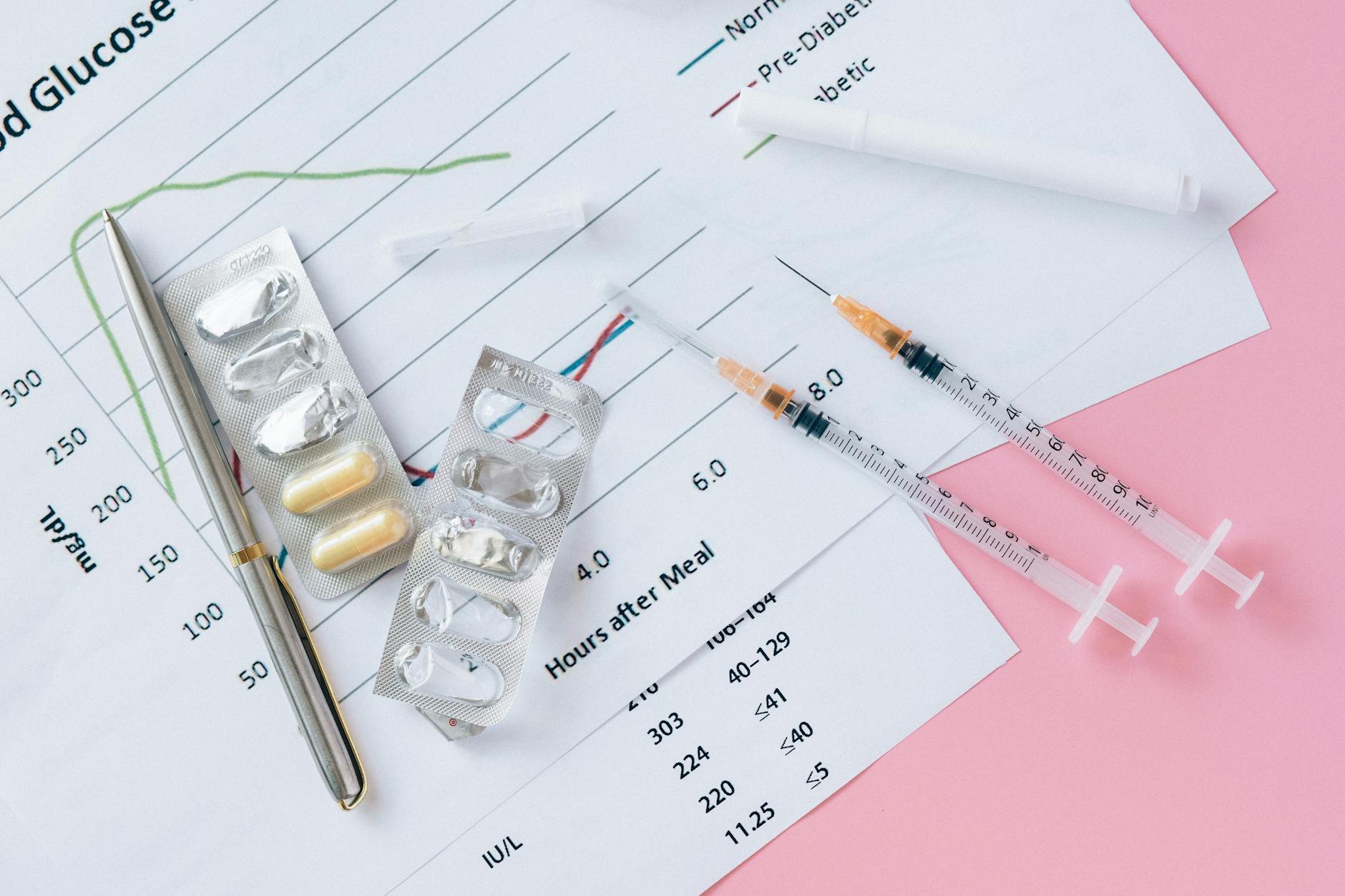
Nausea is an often overlooked sign of hyperglycemia. Learn the underlying mechanisms, how to differentiate benign sympto...
Persistent dry mouth is often the first symptom of elevated blood glucose. Discover the physiology behind it, when it si...

Persistent thirst that disrupts sleep and daily life can signal dangerously elevated glucose levels. Learn the physiolog...
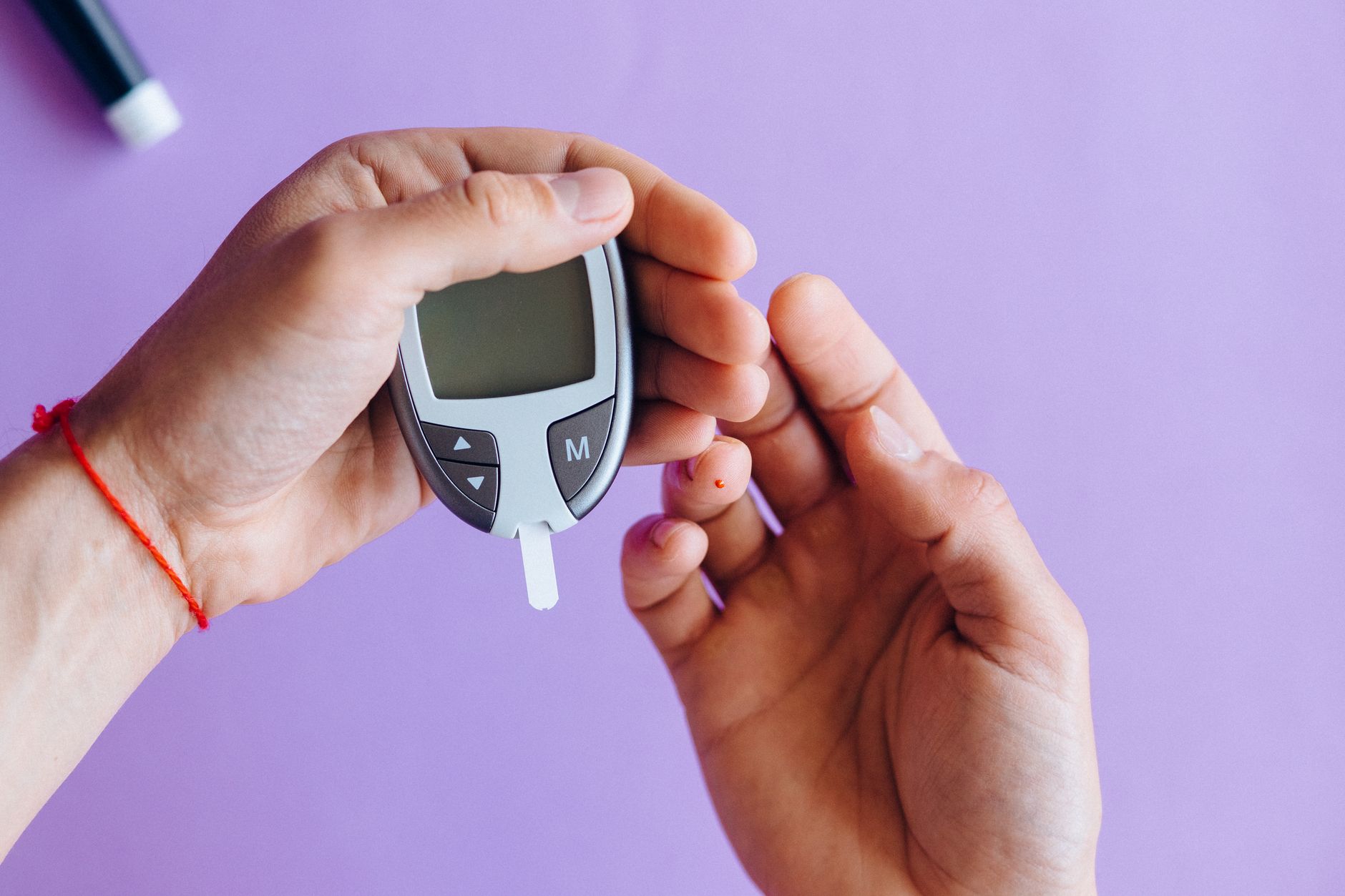
Frequent urination — known medically as polyuria — is often the first noticeable sign of hyperglycemia. This article exp...

If your vision blurs when blood sugar spikes, you’re not imagining it — and it’s not always harmless. Here’s exactly wha...