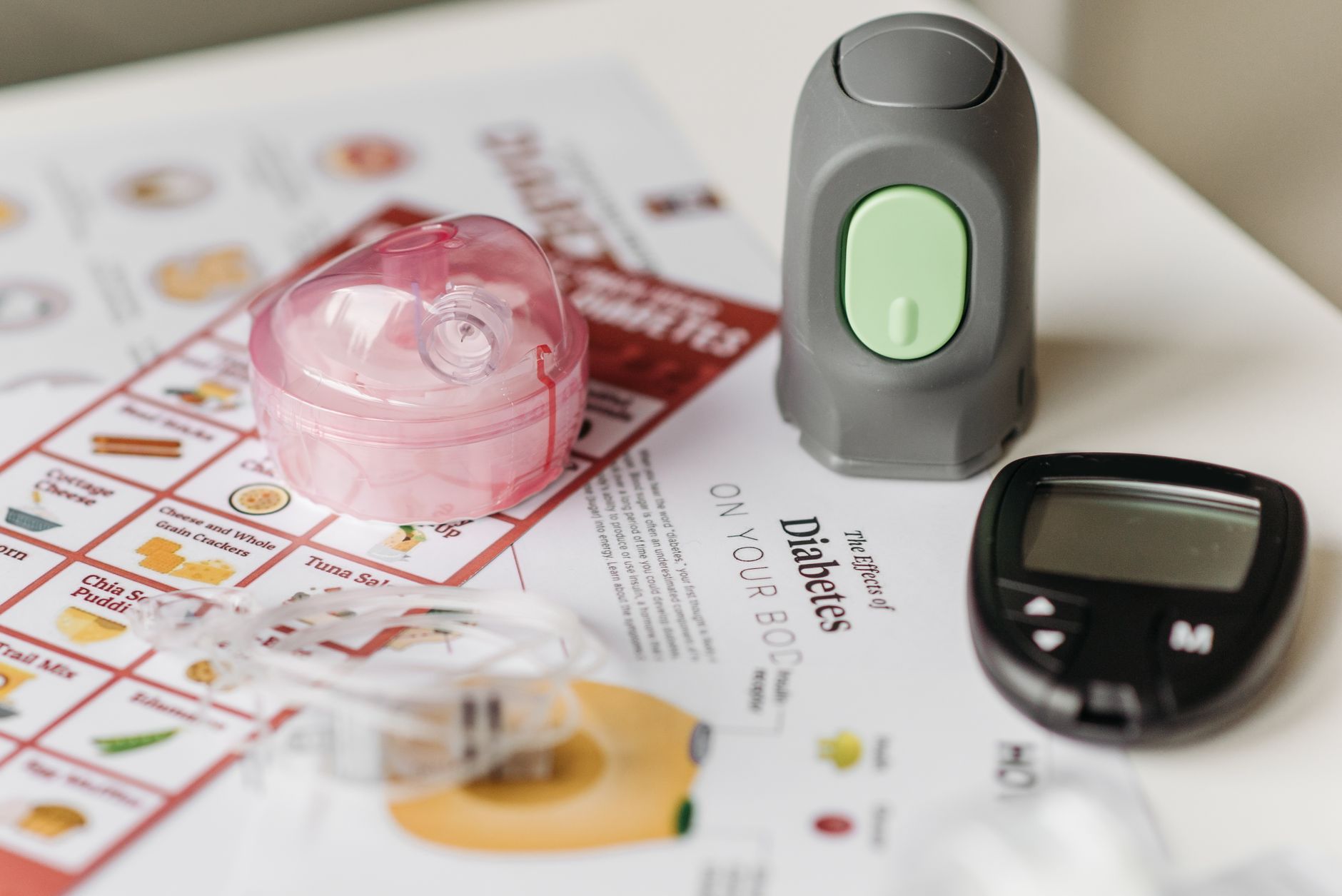
Prediabetes Meal Plan Checklist: 7 Essential Steps to Lower Blood Sugar in 2025
A structured eating pattern is one of the most powerful tools to reverse prediabetes. This checklist breaks down exactly...
A structured eating pattern is one of the most powerful tools to reverse prediabetes. This checklist breaks down exactly...
More than 1 in 3 U.S. adults have prediabetes, but 80% don't know it. Here are the symptoms, lab thresholds, and what to...
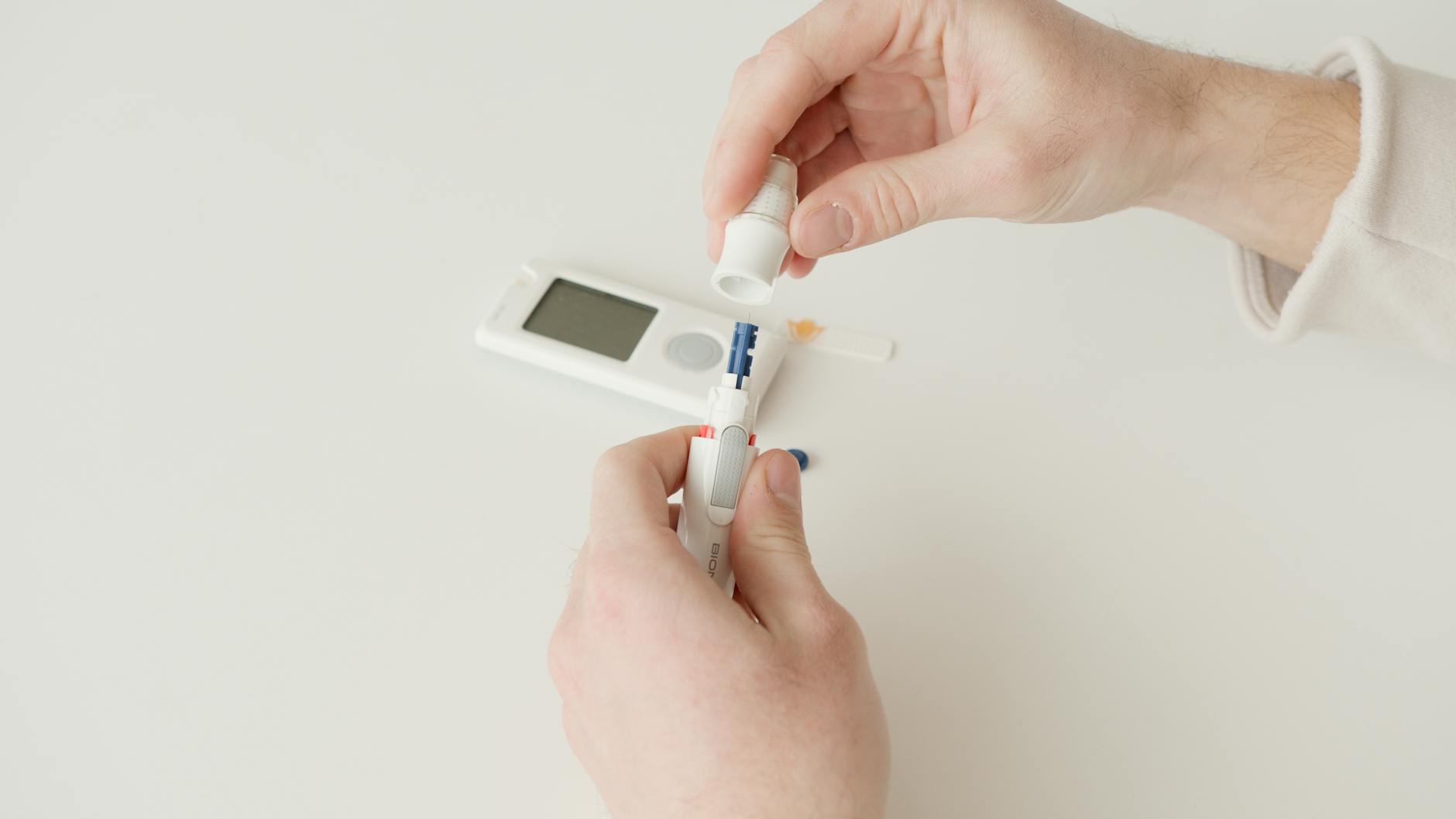
Prediabetes and type 2 diabetes exist on the same metabolic spectrum, but the gap between them carries vastly different ...
An A1C of 5.8% places you in the prediabetic range (5.7–6.4%). The good news: with targeted lifestyle changes — backed b...
A fasting glucose of 100–125 mg/dL is classified as impaired fasting glucose (prediabetes) by the American Diabetes Asso...

An A1C of 5.7% sits exactly on the lower boundary of the prediabetes range — and knowing what drives that number, how it...
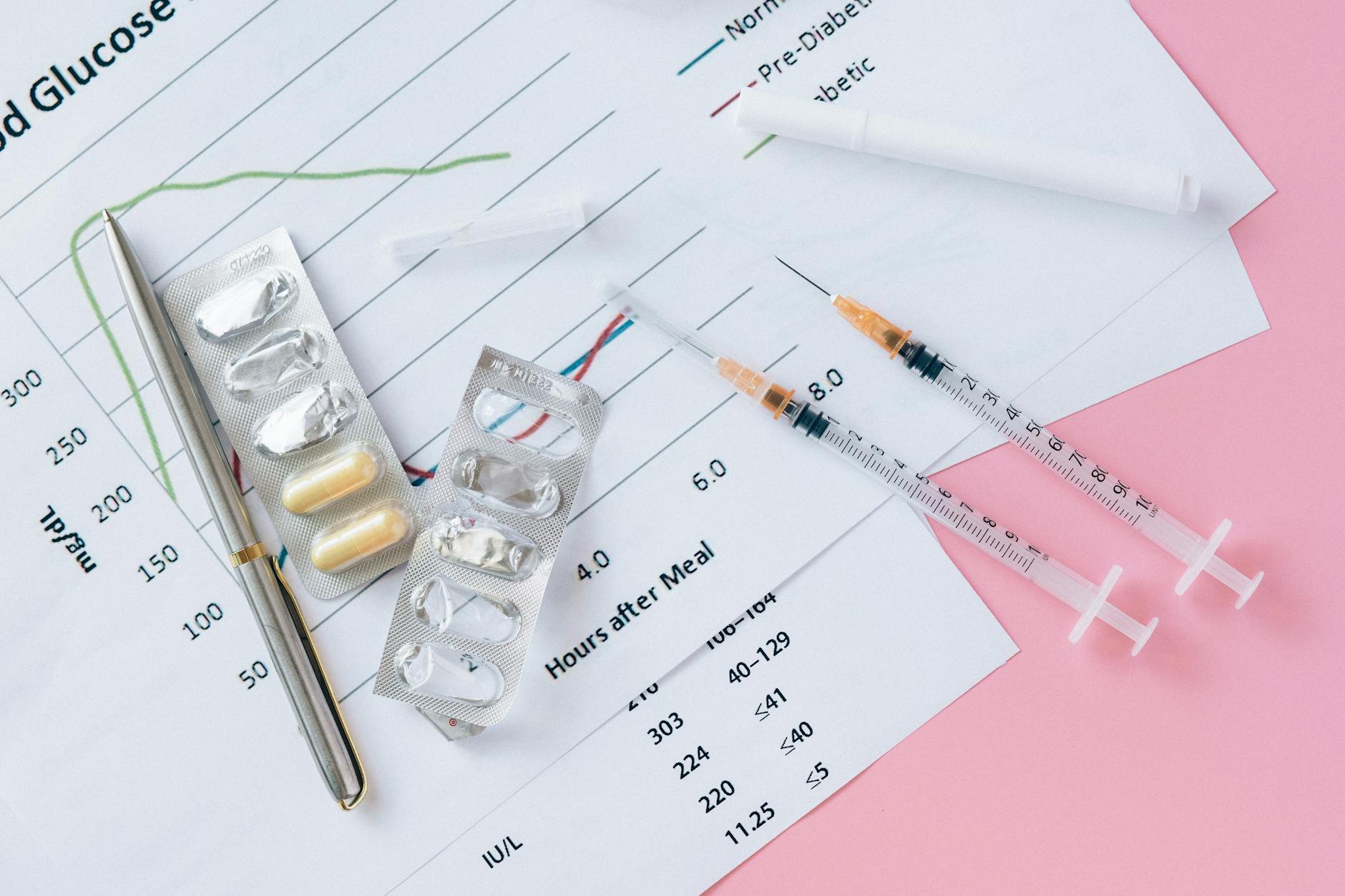
A transient rise in blood glucose after a meal is normal — but when the surge crosses 180 mg/dL, stalls for hours, or dr...
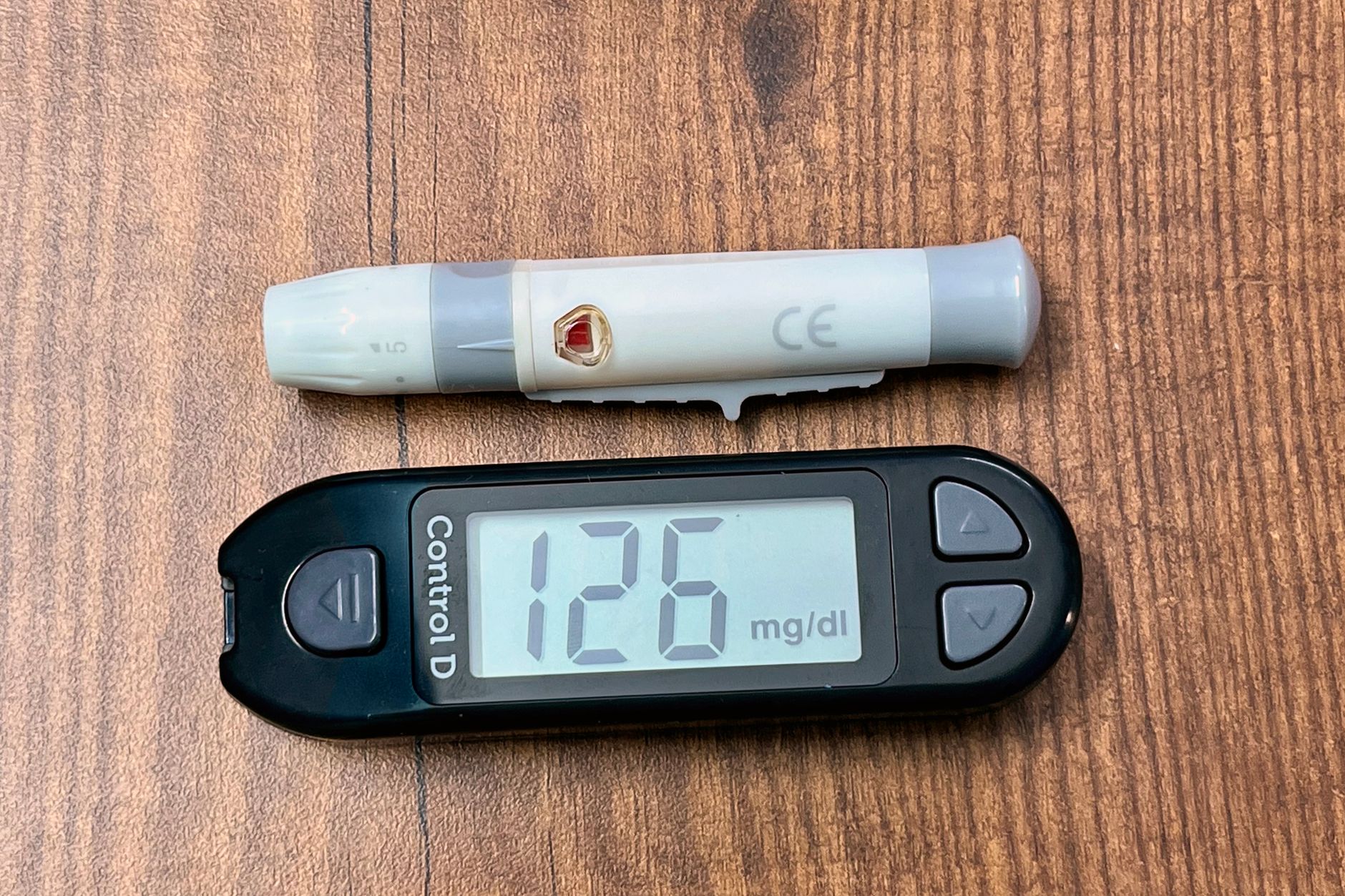
Post-meal blood sugar spikes — called postprandial hyperglycemia — are a key driver of cardiovascular disease, kidney da...
You wake up, test your glucose, and the number is higher than expected — even though you haven't eaten in 8 to 12 hours....
A glucose reading of 500 mg/dL or higher signals a life‑threatening metabolic crisis. Learn the immediate action steps, ...

A blood glucose reading of 400 mg/dL is a medical alert. Learn what causes this dangerous level, the exact actions to ta...

A blood sugar level of 300 mg/dL or higher is a significant hyperglycemic emergency. Recognizing the symptoms early can ...