
High Blood Pressure Numbers Explained: What Systolic and Diastolic Mean in 2025
More than 119 million American adults carry a diagnosis of hypertension, yet fewer than 1 in 4 can correctly define both...
More than 119 million American adults carry a diagnosis of hypertension, yet fewer than 1 in 4 can correctly define both...

Nearly half of U.S. adults have hypertension, yet only 1 in 4 have it under control. These 7 evidence-based lifestyle ch...
Unlike primary hypertension, secondary hypertension often announces itself with distinct clinical clues. Learn which sym...

Malignant hypertension is a life-threatening hypertensive emergency marked by severely elevated blood pressure and acute...

Shortness of breath that worsens over months, unexplained fatigue, chest pressure — pulmonary hypertension often mimics ...
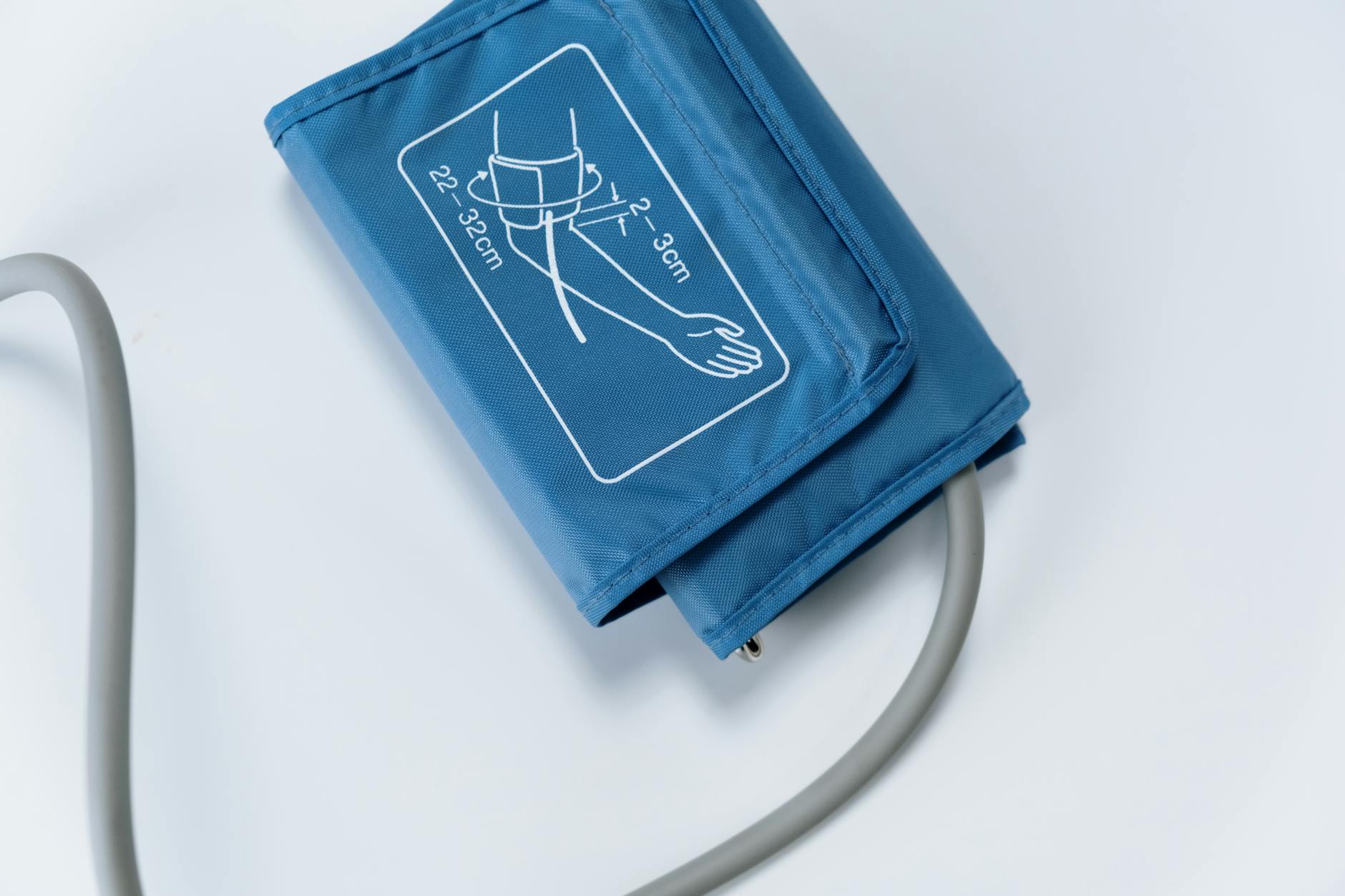
A systolic pressure ≥180 mmHg or diastolic ≥120 mmHg with acute end‑organ damage demands immediate action. Learn the red...

Hypertensive urgency occurs when blood pressure spikes severely — systolic ≥180 or diastolic ≥120 mmHg — without immedia...
When blood pressure spikes to 180/120 mm Hg or higher, the body sends unmistakable warning signals. Learn to identify th...
Anxiety can drive blood pressure up, and living with hypertension can heighten anxiety. Understanding the overlap is cri...
Millions of adults experience heart palpitations alongside elevated blood pressure. This in-depth clinical guide explain...

Shortness of breath in someone with hypertension is more than a symptom — it is a clinical signal that the cardiovascula...
Chest pain with elevated blood pressure can signal hypertensive urgency, aortic dissection, or acute coronary syndrome —...