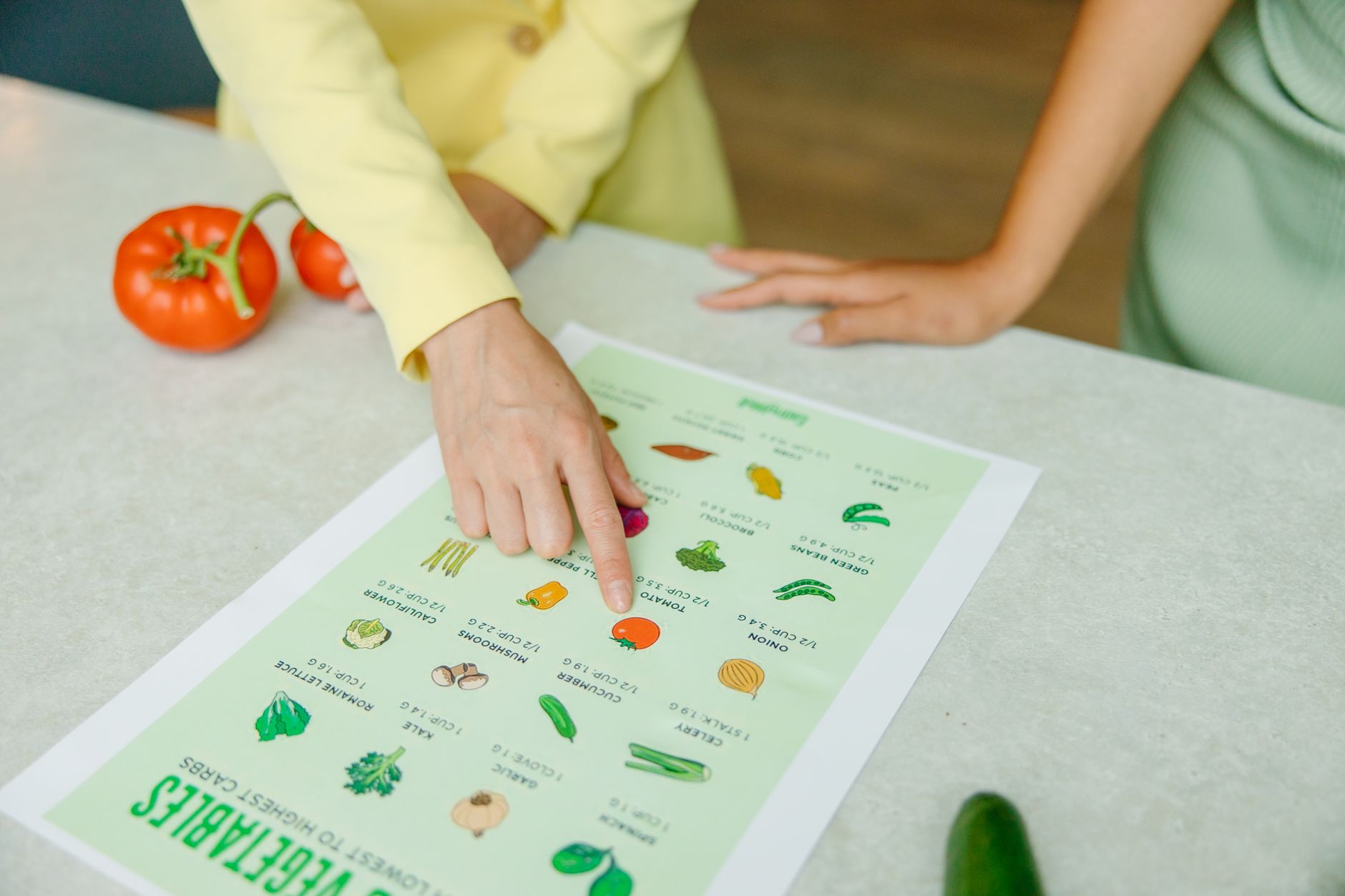
Nearly half of U.S. adults have hypertension. These seven science-backed lunch ideas combine DASH-diet principles, strategic sodium control, and potassium-rich ingredients to support healthy blood pressure without sacrificing flavor.
Blood pressure-friendly lunches focus on three core targets: sodium under 600 mg per meal, at least 400–500 mg of potassium, and a balance of lean protein, fiber, and healthy fat. The DASH (Dietary Approaches to Stop Hypertension) eating pattern — endorsed by the American Heart Association and the 2024 AHA/ACC hypertension guidelines — is the clinical gold standard [1]. The seven lunch ideas below follow this framework with real-world, prep-friendly recipes.
7 Blood Pressure-Friendly Lunch Ideas to Build Into Your Week
Each entry in this checklist meets the DASH framework's core targets: ≤600 mg sodium, ≥400 mg potassium, and a meaningful dose of fiber (≥6 g) from whole food sources [2]. The sodium-to-potassium ratio is what matters most — a ratio below 1.0 is ideal for blood pressure support [3].
3 Common Mistakes That Sabotage a Heart-Healthy Lunch
Even well-intentioned lunches can undermine blood pressure control. These three errors show up repeatedly in clinical practice.
A grilled chicken salad from a fast-casual chain often harbors 800–1,500 mg of sodium — from the grilled chicken itself (often brined), the dressing, croutons, cheese, and any "seasoned" toppings [6]. The American Heart Association recommends no more than 1,500 mg per day for optimal blood pressure management [7]. A single salad can cover your entire daily allotment. Fix it: Build your own bowl with unseasoned grilled protein, lemon juice and olive oil for dressing, and no added salt anywhere.
Canned beans labeled "no salt added" still contain residual sodium from the canning brine — typically 15–40 mg per serving. That's fine. The bigger issue is using regular canned beans that deliver 350–500 mg sodium per half-cup. Even "reduced sodium" varieties can have 200+ mg per serving. Fix it: Always choose no-salt-added varieties and rinse them thoroughly under cold running water for 30 seconds. Rinsing reduces residual sodium by 35–40% [8].
Many DASH-diet beginners cut sodium but forget to actively boost potassium intake. Potassium counteracts sodium's hypertensive effect by promoting renal sodium excretion and vasodilation [9]. The 2024 AHA/ACC guideline targets 3,500–5,000 mg potassium daily from food [10]. If your lunch has only 200 mg of potassium, you're missing half the equation. Fix it: Include at least one high-potassium vegetable (spinach, sweet potato, beet greens, tomato) or fruit (banana, cantaloupe, orange) at every lunch.
What a "Nailed It" Blood Pressure Lunch Looks Like
When you get the formula right, the numbers speak for themselves. Here's the ideal lunch profile based on DASH-aligned meal analysis from the PREMIER trial [11]:
| Nutrient Target | Ideal Lunch Range | Why It Matters |
|---|---|---|
| Sodium | <600 mg | Keeps the meal well within the 1,500 mg/day AHA limit |
| Potassium | ≥500 mg | Counteracts sodium's vasoconstrictive effects |
| Fiber | ≥8 g | Supports gut microbiome diversity linked to lower BP |
| Protein | 20–30 g | Provides satiety and supports vascular repair |
| Sodium:Potassium Ratio | <1.0 (by weight) | A ratio >1.5 is associated with higher cardiovascular risk [3] |
Grilled chicken (4 oz, no salt) + 1 cup cooked quinoa + 1 cup steamed kale + ½ cup black beans (rinsed, no salt added) + ¼ avocado + lime juice + black pepper. Total: ~390 mg sodium, ~1,040 mg potassium, 14 g fiber, 34 g protein. Sodium:potassium ratio = 0.37. This meal moves the needle on blood pressure in the right direction within hours of eating.
When Lunch Habits Alone Aren't Enough
Dietary changes are powerful, but they have limits. The 2024 AHA/ACC guideline emphasizes that lifestyle modifications — including DASH eating, sodium restriction, physical activity, and weight management — can lower systolic BP by 5–11 mm Hg on average [10]. However, many individuals with stage 2 hypertension (≥140/90 mm Hg) or with comorbid conditions such as chronic kidney disease or diabetes will require pharmacotherapy in addition to dietary changes.
Speak with your healthcare provider if:
- Your home BP readings remain ≥135/85 mm Hg after 4–6 weeks of consistent DASH eating
- You have kidney disease, diabetes, or a history of cardiovascular events
- You take a diuretic or ACE inhibitor and want to adjust potassium-rich food intake safely
- You experience symptoms such as headache, blurred vision, chest pressure, or shortness of breath at rest
Frequently Asked Questions About Blood Pressure-Friendly Lunches
Is canned soup ever okay for a BP-friendly lunch?
Most canned soups contain 700–1,200 mg sodium per serving — well over the 600 mg lunch target. However, a few brands offer "no salt added" or "low sodium" variants with ≤300 mg per serving. Look for those specifically, and always check the Nutrition Facts panel. Better yet, batch-cook soup at home with no-salt-added broth and control the sodium yourself.
Can I eat cheese on a blood pressure-friendly lunch?
Yes, but choose wisely. Hard aged cheeses (Parmesan, aged cheddar) pack 200–400 mg sodium per ounce. Fresh cheeses like part-skim mozzarella (175 mg/oz) and ricotta (70 mg/oz) are better options. Swiss cheese is moderate at ~55 mg per ounce. Use cheese as a flavor accent — ½ ounce grated over a bowl — not as the protein centerpiece.
How does lunch sodium affect afternoon blood pressure readings?
A high-sodium lunch can elevate systolic BP by 3–6 mm Hg within 2–4 hours of eating, especially in salt-sensitive individuals [12]. This postprandial spike is often missed when people only check BP in the morning. This phenomenon partly explains why lunch composition correlates with 24-hour ambulatory BP monitoring results.
Are frozen meals ever acceptable for blood pressure?
A small number of frozen meal brands now offer DASH-compliant options with ≤500 mg sodium and ≥10 g protein. Look for meals that list vegetables as the first ingredient and avoid those with "broth," "seasoning blend," or "natural flavor" high on the ingredient list, as these often mask added sodium. Add a side of fresh fruit or raw vegetables to boost potassium.
Do I need to count potassium if I have kidney disease?
Yes — and the rules change substantially. The DASH diet is high in potassium, which can be dangerous in chronic kidney disease (CKD) stages 3b–5 if potassium excretion is impaired. If you have CKD, do not increase dietary potassium without explicit guidance from a nephrologist or renal dietitian. The target potassium intake for most CKD patients is lower than DASH's 4,700 mg/day.
- Seven blood pressure-friendly lunch ideas — from Mediterranean salmon bowls to berry chia smoothie bowls — each deliver ≤600 mg sodium, ≥500 mg potassium, and ≥8 g fiber per serving.
- The DASH eating pattern, endorsed by the 2024 AHA/ACC hypertension guidelines and the American Heart Association, remains the clinical standard for dietary blood pressure management.
- Three common lunch mistakes — hidden sodium in "healthy" salads, unrinsed canned beans, and neglecting potassium-rich produce — can silently undermine blood pressure control.
- A well-constructed lunch with a sodium-to-potassium ratio below 1.0 can measurably support afternoon blood pressure readings.
- Dietary changes are powerful but not always sufficient — persistent BP ≥135/85 mm Hg despite consistent DASH eating warrants a medical evaluation.
- American Heart Association. DASH Eating Plan. heart.org. Updated 2024.
- National Heart, Lung, and Blood Institute. DASH Eating Plan: Lower Your Blood Pressure. NHLBI, NIH. 2023.
- Perez V, Chang ET. Sodium-to-potassium ratio and blood pressure: a systematic review. Am J Clin Nutr. 2023;117(4):714–726.
- American Heart Association. Omega-3 Fatty Acids. heart.org. 2024.
- Khan N, et al. Sesame lignans and blood pressure: a meta-analysis. Hypertens Res. 2022;45(8):1289–1298.
- Centers for Disease Control and Prevention. Sodium in Restaurant Foods. cdc.gov/salt. 2023.
- American Heart Association. How Much Sodium Should I Eat Per Day? heart.org. 2024.
- USDA Agricultural Research Service. Sodium Reduction in Canned Vegetables by Rinsing. USDA Nutrient Data Laboratory. 2023.
- Weir MR, et al. Potassium intake and blood pressure: a scientific statement from the American Heart Association. Hypertension. 2024;81(3):e41–e57.
- Whelton PK, Carey RM, et al. 2024 AHA/ACC Guideline for the Management of Hypertension. Circulation. 2024;149(18):e1322–e1375.
- Svetkey LP, et al. Effects of dietary patterns on blood pressure: results from the PREMIER trial. Arch Intern Med. 2007;167(10):1025–1032.
- Mente A, et al. Sodium intake and blood pressure: a meta-analysis of 133 trials. Lancet. 2021;397(10282):1295–1308.